Are LED Light Therapy Masks Worth It? An Honest Buyer's Answer
Are LED Light Therapy Masks Worth It? An Honest Buyer's Answer
By the Exquisite Deals Team — the Exquisite Deals curation team hand-reviews every product it lists, comparing specs, value, and real buyer questions before recommending anything.
Quick Answer
Are LED light therapy masks worth it? For many people, yes — an at-home LED light therapy mask can be a low-effort, gentle addition to a skincare routine, and it may pay for itself over time versus repeat spa visits. Results are gradual and vary by person, so set patient, realistic expectations.
Featured Product

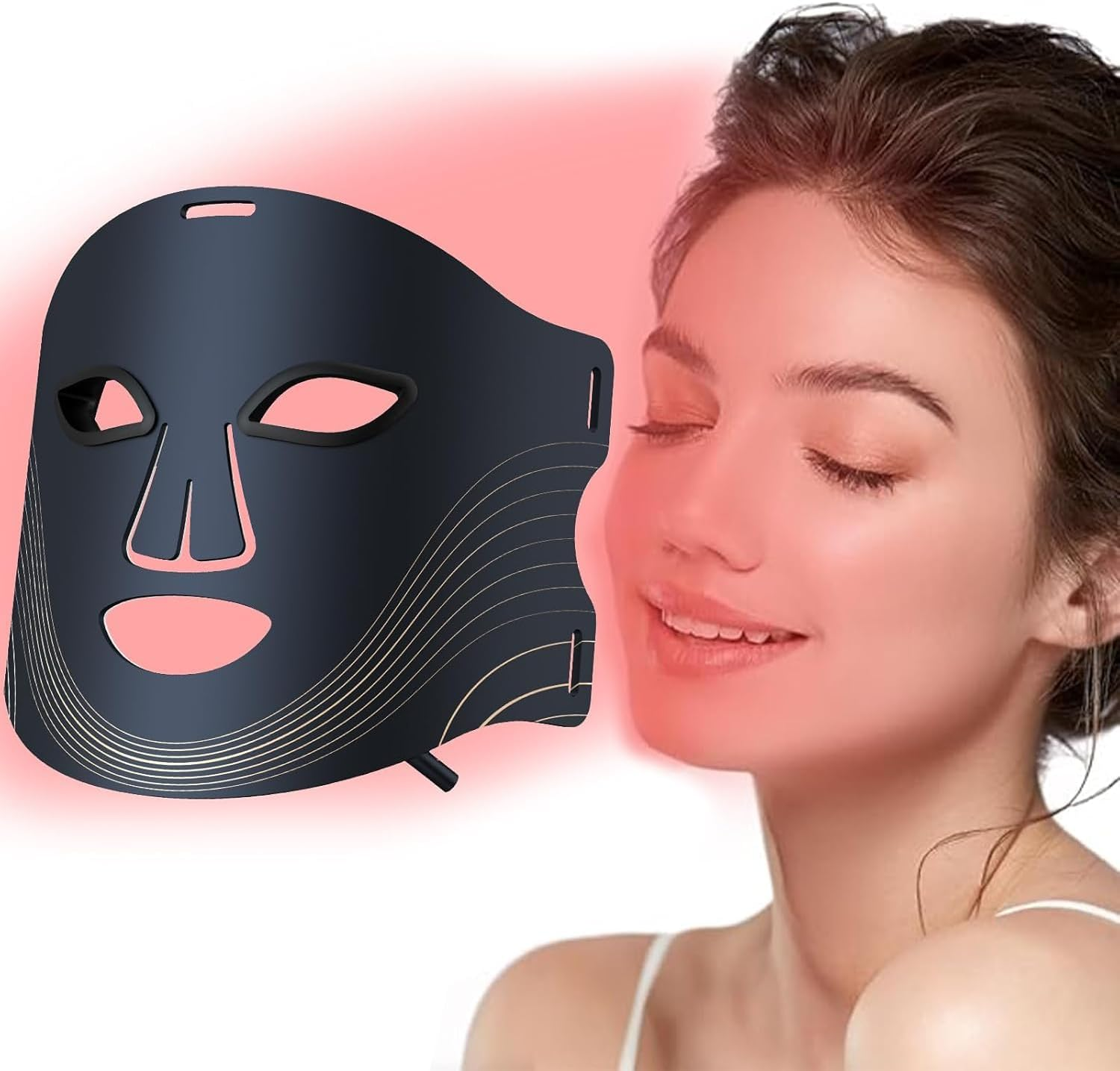
LED Light Therapy Mask (Model FM-01), 4 Colors LED Face Mask Light Therapy — a portable, wireless mask with four light colors so you can try it at home instead of booking appointments. Shop now →
Why Buyers Ask This
Almost nobody buys an LED light therapy mask on impulse. It usually starts after you have seen the glowing faces on social media, watched a friend swear by hers, or noticed that a single professional light session at a spa costs more than a nice dinner. So the honest question comes up fast: is this a real skincare tool, or is it an expensive gadget that will end up in a drawer next to the abandoned foot spa?
That skepticism is healthy. The beauty aisle is full of devices that promise miracles and deliver disappointment. LED masks sit in a slightly different category, though, because the underlying idea — using specific colors of light to affect the skin — has been studied and used in clinics for years. The catch is that a clinic device and a home device are not the same thing, and the marketing around home masks often blurs that line. Buyers ask "are they worth it" because they want to know whether the price, the time, and the nightly routine will actually add up to something they can see in the mirror.
The good news is that this is a question you can answer sensibly if you understand what the technology does, what a home mask can realistically deliver, and how to tell a decent unit from a toy. That is exactly what this guide walks through.
Understanding the Topic
LED stands for light-emitting diode, and light therapy simply means shining specific wavelengths of light on the skin. Different colors reach different depths and are associated with different uses. The idea is not heat and not ultraviolet tanning light — LED therapy uses visible light at levels meant to be gentle on the surface and comfortable to sit under.
Red light, usually in the 630 to 660 nanometer range, is the most talked-about color for general skin care. It penetrates a little deeper and is commonly associated with supporting a healthy, refreshed look. Near-infrared light, which you often see paired with red, sits just past what your eye can see and is marketed for deeper comfort and recovery. Blue light, around 415 nanometers, stays closer to the surface and is popular with people dealing with breakout-prone skin. Some masks add amber or other colors aimed at a soothed, even-toned appearance.
Here is the part that keeps the answer honest. In a dermatologist's office, LED panels are powerful, professionally calibrated, and used in a controlled way. Home masks are deliberately dialed down for safety and battery life. That does not make them useless — it means the effect is subtler and depends heavily on consistency. Think of a home mask less like a single dramatic treatment and more like flossing: small, repeated, low-effort sessions where the payoff builds slowly. If a product page promises overnight transformation, treat that as marketing, not medicine.
It is also worth saying plainly that LED masks are cosmetic devices, not cures. If you have a diagnosed skin condition, are pregnant, take medication that increases light sensitivity, or have a history of eye problems, the right move is to check with a doctor or dermatologist before starting. A mask is a tool, not a substitute for professional care.
What to Look For
Once you decide to try one, the choice between models comes down to a handful of practical features. Here is what actually matters:
- The light colors you will actually use. A four-color mask gives you flexibility — red and near-infrared for a general refreshed look, blue for breakout-prone skin, and often an extra soothing tone. If a mask only offers one color, make sure it is the color you care about.
- Wireless and rechargeable design. A mask you have to sit next to a wall outlet with a cord dangling is a mask you will skip on busy nights. A portable, rechargeable unit lets you use it while you read, fold laundry, or wind down, which is the single biggest factor in whether you stick with it.
- Comfortable, secure fit. Masks range from rigid shells to flexible silicone. A shape that sits close to the skin and stays put without pinching your nose or pressing on your eyes makes the difference between a relaxing ten minutes and a chore.
- Built-in timer or auto shut-off. Most home sessions run roughly ten minutes. A timer means you are not guessing, and auto shut-off saves battery and gives you a consistent routine.
- Proper eye protection. The lights are bright. Look for a design with eye cut-outs or shielding and always follow the instructions about keeping eyes closed. This is a safety feature, not a luxury.
- Easy cleaning. Anything that touches your face regularly needs a quick wipe-down. Smooth surfaces you can clean in seconds beat fiddly ones you will neglect.
- Clear instructions and honest specs. A trustworthy product tells you the wavelengths, the recommended session length, and the safety notes. Vague listings that only shout about "anti-aging power" without numbers are a yellow flag.
Common Mistakes
The people who feel a home mask was a waste of money usually made one of a few predictable errors. The most common is quitting too early. Because the effect is cumulative, using a mask twice and then giving up guarantees you will not see anything. Skin renews slowly, so most guidance points to weeks of consistent use before judging the results.
The second mistake is expecting clinical, procedure-level change from a gentle home device. If your goal is a dramatic, single-session transformation, you will be let down — and that disappointment says more about the expectation than the mask. A home unit is for maintenance and small, gradual improvement, not for replacing professional treatments.
A third error is overusing it, on the theory that more must be better. Longer or more frequent sessions than the instructions suggest do not speed things up and can irritate the skin. Follow the recommended time. Related to this, people sometimes skip eye protection to "get better coverage," which is both unnecessary and a bad idea given how bright the lights are.
Finally, some buyers judge a mask before they have prepared their skin. Light works best on clean, product-free skin, so applying the mask over makeup or heavy creams can blunt the experience. A quick cleanse first is part of getting your money's worth.
Practical Example
Picture someone deciding between two paths. Path one is booking light-therapy sessions at a local spa. Each visit costs a meaningful amount, requires driving across town, and has to be scheduled around opening hours. To get the repeated, consistent exposure these treatments rely on, they would need many visits — and the total adds up quickly.
Path two is buying a wireless home mask like the four-color LED Light Therapy Mask. They cleanse their face, put the mask on while catching up on a show, let the timer run for about ten minutes, then take it off and get on with their evening. A few nights a week, no appointments, no travel. After several weeks of sticking with it, they look for the kind of subtle, gradual difference a home device is meant to provide — a fresher, more even look rather than an overnight change.
For this person, the mask is almost certainly worth it: the convenience makes them consistent, and consistency is what light therapy needs. For someone who wants a one-time dramatic fix and will not commit to a routine, no home mask is worth it, because the tool is mismatched to the goal. The device is the same; the fit to your habits is what decides the value.
Our Take
Weighing everything, we think LED light therapy masks are worth it for the right buyer: someone who wants a gentle, convenient, at-home addition to their skincare, who understands the results are gradual, and who will actually use it a few times a week. The economics tend to favor a home mask over repeated paid sessions, and the low-effort routine is easy to keep up.
That is why we like the LED Light Therapy Mask (Model FM-01) as a starting point. Its four colors cover the common goals people buy these masks for, and the wireless, rechargeable design removes the friction that makes so many gadgets get abandoned. We recommend it as a sensible, no-drama way to try light therapy at home — with honest expectations, not hype. For live details, current options, and full specifications, check the product page directly.
Frequently Asked Questions
How long before I might notice a difference?
Most guidance points to several weeks of consistent use, since skin changes slowly. Treat it like a habit that builds over time rather than a one-session fix, and give it a fair trial before deciding.
How often should I use an LED mask?
Follow the instructions that come with your specific mask. A common pattern is short sessions of around ten minutes, a few times a week. More is not better, so resist the urge to overdo it.
Is it safe for my eyes?
The lights are bright, so eye protection matters. Choose a mask designed with eye shielding or cut-outs, keep your eyes closed during use, and follow the safety notes. If you have any eye condition, check with a professional first.
Can an LED mask replace seeing a dermatologist?
No. An LED mask is a cosmetic device for maintenance and gentle support, not a medical treatment. If you have a diagnosed skin condition or specific concerns, see a dermatologist for proper care.
What is the difference between red and blue light?
Red and near-infrared light reach a little deeper and are associated with a general refreshed look, while blue light stays near the surface and is popular with people who have breakout-prone skin. A multi-color mask lets you use whichever fits your goal.
Does a home mask work as well as a spa treatment?
Home masks are gentler by design, so any single session is subtler than a professional treatment. What home masks offer is convenience and consistency, and consistency is a big part of what makes light therapy useful.
Do I need to prep my skin first?
Yes, cleanse first. Light works best on clean, product-free skin, so using the mask over makeup or heavy creams is not ideal. A quick wash beforehand helps you get the most out of each session.
Key Takeaways
- LED light therapy masks are worth it for people who want a gentle, convenient at-home routine and are patient about gradual results.
- Home masks are milder than clinic devices, so consistency over several weeks matters more than any single session.
- Prioritize the light colors you will use, a wireless rechargeable design, a comfortable fit, a timer, and proper eye protection.
- The most common way to waste your money is quitting too early or expecting overnight, procedure-level change.
- Treat a mask as a cosmetic tool, not medical care — check with a professional if you have skin or eye conditions.
Related Resources
If you enjoy weighing whether a gadget earns its place, our honest take on whether portable projectors are worth it uses the same buyer-first approach. For more home-and-lifestyle picks, see our guide to the best portable washing machines for small spaces, and if you are upgrading your at-home setup, our walkthrough on how to set up Bluetooth computer speakers is a quick, practical read. You can also browse the full Health & Wellness collection for related self-care tools.
Ready to Try It?
Ready to find the right fit? Explore Exquisite Deals' Health & Wellness collection and shop the deal at exquisite-deals.shop.