How Do AI Translation Earbuds Work? A Simple, Honest Explainer
How Do AI Translation Earbuds Work? A Simple, Honest Explainer
By the Exquisite Deals Team — the Exquisite Deals curation team hand-reviews every product it lists, comparing specs, value, and real buyer questions before recommending anything.
Quick Answer
AI translation earbuds work by capturing speech with their microphones, sending it to translation software that converts it to your language, and playing the result in your ear within seconds. They use speech recognition, machine translation, and text-to-speech together, usually through a paired phone app, to enable real-time two-way conversations across languages.
Featured Product

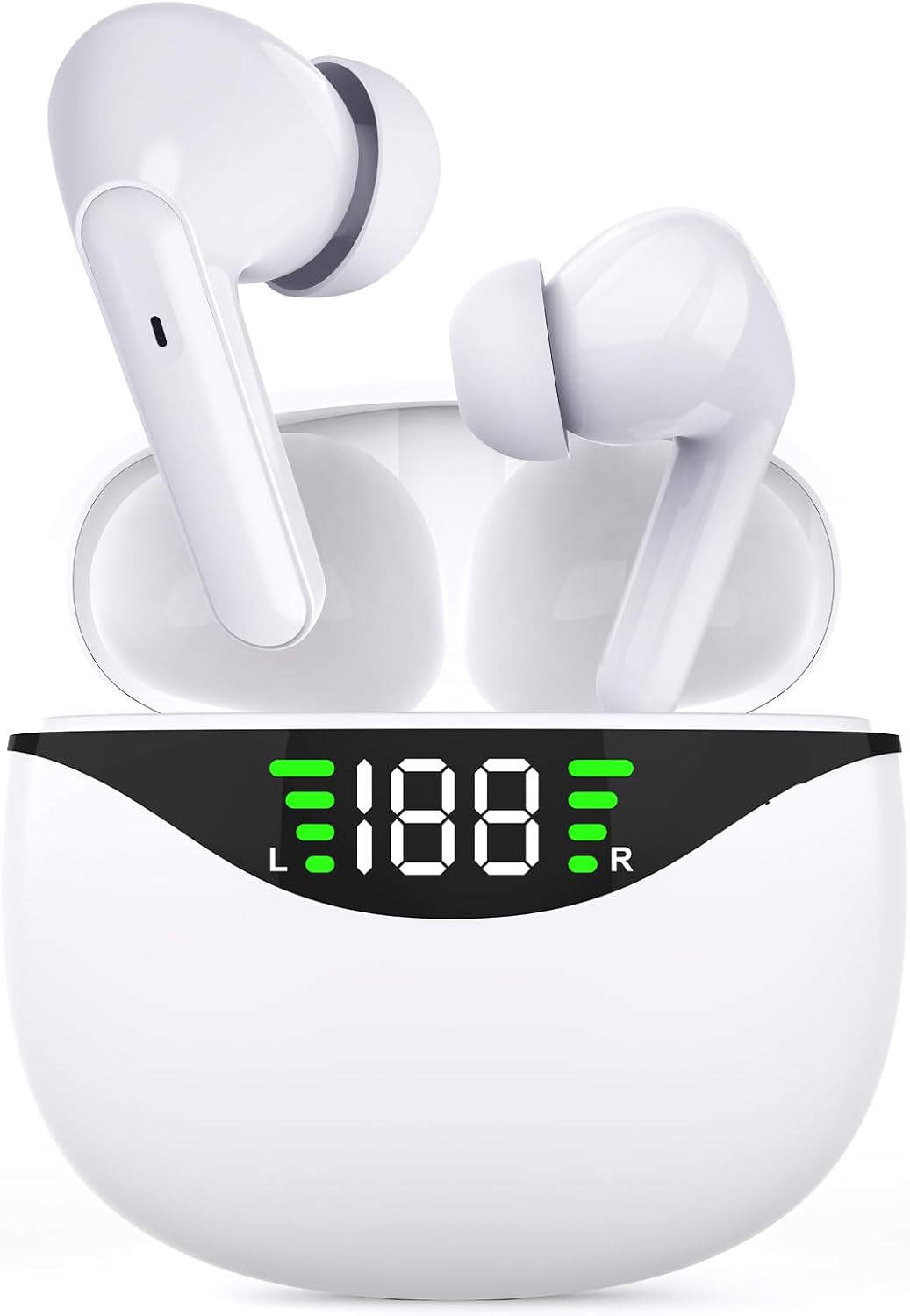
AI Translation Earbuds — Real-Time 144 Language Translator — two-way instant translation across many languages, right in your ear, for travel and everyday conversations. Shop now →
Why Buyers Ask How Translation Earbuds Work
Real-time translation in your ear sounds almost magical, so it is natural to wonder how it actually works and whether it lives up to the promise. Understanding the basic steps helps you set the right expectations, use the earbuds well, and choose a good pair. The honest answer is that translation earbuds combine a few well-established technologies into one smooth experience, and once you see the steps, the "magic" makes perfect sense.
Knowing how they work also tells you where they shine and where they have limits. That way you can rely on them for the situations they handle best — travel, shopping, directions, simple conversations — and keep your expectations realistic for fast, slang-heavy, or noisy exchanges.
Understanding the Steps: From Speech to Translation
Translation earbuds run through a quick chain of steps, usually in just a second or two. Here is the whole process in plain language.
Step 1: Capturing speech. The earbud microphones pick up the words being spoken. Good noise handling helps them focus on the speaker and ignore background sound.
Step 2: Speech recognition. Software converts the spoken audio into text. This is the same kind of technology that powers voice assistants, and it needs to recognize the sounds accurately to translate well.
Step 3: Machine translation. The recognized text is translated into your chosen language by AI translation models. This is where the "AI" in AI translation earbuds does its work, matching meaning rather than just swapping words.
Step 4: Text-to-speech. The translated text is turned back into spoken audio and played in your ear, so you hear the message in your own language. In two-way mode, your reply is translated back for the other person.
Most earbuds do this through a paired phone app that handles the heavy processing and the internet connection, which is why the app and a data connection matter.
What to Look For So They Actually Work Well
- Two-way, real-time translation so both sides of a conversation are covered.
- Broad language support that includes the languages and accents you need.
- Good microphones and noise handling for clearer speech capture in busy places.
- A well-designed companion app since it does much of the processing.
- Low delay so the translation keeps pace with a natural conversation.
- Comfortable fit and solid battery life for long travel days.
- Offline options if you will use them where data is limited (where available).
No earbuds are perfect, but the right features make the difference between a smooth chat and a frustrating one.
Common Misunderstandings to Avoid
Expecting flawless, instant results. Translation earbuds are fast and useful, but there is a slight delay and occasional errors, especially with slang, idioms, or rapid speech. Speak clearly and in short sentences for best results.
Forgetting they usually need a connection. Many models rely on a phone app and internet for the best translation. Check whether offline modes exist if you travel where data is spotty.
Using them in very noisy places without adjusting. Loud background noise makes speech recognition harder. Move somewhere quieter or speak closer to the mic when possible.
Assuming every language works equally well. Widely spoken languages are generally handled better than rare ones. Confirm the earbuds support your specific languages before you rely on them.
A Practical Example: Ordering Dinner Abroad
Imagine you are traveling and want to order dinner where you do not speak the language. You put in a translation earbud and open its app. You speak your order in English; the earbud captures it, the app recognizes and translates it, and it plays the translated request out loud or shows it on your phone for the server. The server replies in their language, and their words come back to you in English through your earbud. In a few back-and-forth turns you have ordered your meal, asked about an ingredient, and said thank you. It is not a perfect human interpreter, but it turns a stressful moment into a friendly, workable conversation. That is exactly what AI translation earbuds are built to do.
Translation Earbuds vs a Phone App vs a Human Interpreter
It helps to compare your options. A phone translation app does the same core job but means holding out a screen and passing it back and forth, which feels less natural. Translation earbuds keep your hands free and put the translation right in your ear, so conversations flow more like a real chat. A human interpreter is still the gold standard for nuance, humor, and high-stakes situations like legal or medical talks, but a person is expensive and rarely on hand. For everyday travel and casual conversations, translation earbuds hit a sweet spot: more natural than a phone app, far more available and affordable than an interpreter, and good enough for the situations most travelers face.
Our Take: When Translation Earbuds Are Worth It
If you travel, work with people who speak other languages, or simply want to connect more easily across a language gap, translation earbuds are worth it for the freedom they give you. The AI Translation Earbuds with real-time 144-language support are a strong choice because they cover two-way translation across many languages and accents in a hands-free design. Browse more options in the Exquisite Deals translation earbuds and headphones collection. Check the live product page for current details, since features can change.
Getting the Best Results From Your Translation Earbuds
A few simple habits make translation earbuds far more reliable. Speak in short, complete sentences and pause between them, so the software has a clean chunk of speech to work with instead of a long run-on. Avoid slang, idioms, and inside jokes, which rarely translate cleanly; say "where is the train station" rather than a casual phrase. Find a quieter spot when you can, or bring the microphone closer to the speaker, since background noise is the biggest enemy of accurate recognition. Download your key languages for offline use before a trip if your model supports it, and keep the companion app updated so you get the latest translation improvements. Charge the earbuds and your phone the night before a big day out. Finally, treat the earbuds as a helpful bridge, not a perfect interpreter: confirm important details like prices, times, and directions by repeating them back. Follow these steps and your everyday conversations abroad will go remarkably smoothly.
Frequently Asked Questions
Are AI translation earbuds accurate?
They are good for everyday conversations, directions, and shopping, especially with common languages. Accuracy drops with slang, idioms, fast speech, or heavy noise, so speak clearly and simply for the best results.
Do translation earbuds need the internet?
Many rely on a phone app and an internet connection for the best translation, though some offer offline modes for certain languages. Check the model if you will travel where data is limited.
How fast is the translation?
Usually a second or two per phrase. There is a small delay while the earbuds recognize, translate, and speak the words, so short sentences keep the conversation flowing.
Can two people talk back and forth?
Yes, with two-way models. Your words are translated for the other person and their reply is translated back for you, enabling a genuine conversation.
How many languages do they support?
It varies by model; some cover well over a hundred languages and accents. Always confirm your specific languages are included before you buy.
Do I need to charge them often?
Like other wireless earbuds, they run on a battery and recharge in a case. Battery life varies, so look for solid playtime if you want them for long travel days.
Key Takeaways
- AI translation earbuds capture speech, recognize it, translate it, and speak it back in seconds.
- They usually pair with a phone app that does the processing and connects to the internet.
- They work best with clear speech, common languages, and quieter settings.
- They are more natural than a phone app and more available than a human interpreter.
- Two-way, real-time earbuds like the AI Translation Earbuds suit travel and everyday chats.
Related Resources
- Best Portable Washing Machines for Small Spaces
- Best Beginner Drones With a Camera
- Best Budget Vlogging Cameras
- AI Translation Earbuds
- Shop the full Translation Earbuds collection
Ready to Break the Language Barrier?
Ready to find the right fit? Explore Exquisite Deals' translation earbuds and headphones collection and shop the deal at exquisite-deals.shop. Travel and connect with confidence, one conversation at a time.