Best Sunrise Alarm Clocks in 2026: A Simple Buyer's Guide
Best Sunrise Alarm Clocks in 2026: A Simple Buyer's Guide
By the Exquisite Deals Team — the Exquisite Deals curation team hand-reviews every product it lists, comparing specs, value, and real buyer questions before recommending anything.
Quick Answer
The best sunrise alarm clocks wake you with light that brightens slowly before the sound ever starts. Look for a gradual sunrise window you can adjust, a dimmable display that will not glow all night, gentle audio choices, and simple buttons you can find half asleep in the dark.
Featured Product

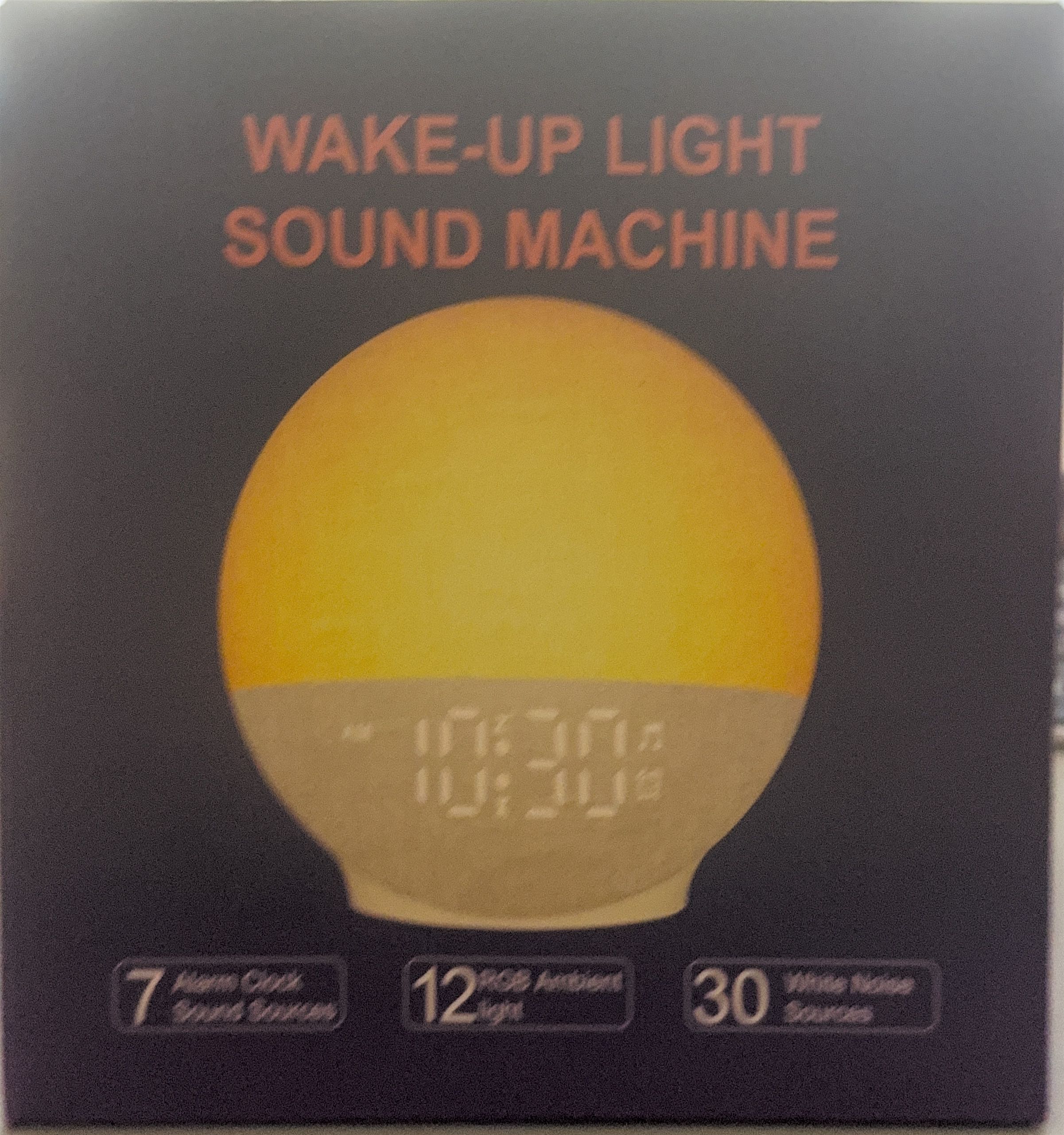
Sunrise Simulation Wake-Up Lamp and Clock - Natural Light Alarm Clock for Gentle Morning Wake Up and Better Sleep — a light-first alarm that eases the room from dark to bright so the sound is a backup, not a shock. Shop now →
Why This Matters
Most people wake up badly. A phone alarm goes off in a pitch-black room, the body jolts out of whatever sleep stage it was in, and the first feeling of the day is a small burst of stress. That happens every single morning, and it adds up.
A sunrise alarm clock tries to fix the order of events. Instead of sound first, it gives light first. The lamp starts very dim, usually twenty to thirty minutes before your set time, and climbs gradually until the room looks like early morning. By the time the sound plays, your body has already had a runway.
This is not magic, and no lamp will fix a five-hour night. But the timing of light is one of the few sleep levers that is cheap, simple, and does not involve taking anything. If you sleep in a dark bedroom, work early hours, or live somewhere with long dark winters, a sunrise clock is one of the more sensible small purchases you can make.
There is a second reason people buy them: getting the phone off the nightstand. A dedicated clock removes the excuse to check email at 6:02 a.m. That alone changes mornings for a lot of buyers.
Understanding the Topic
The idea behind a sunrise alarm is straightforward. Your internal clock takes cues from light. Bright light in the morning tends to nudge the body toward being awake and alert; dim, warm light in the evening does the opposite. A sunrise lamp is simply a way to deliver that morning cue on a schedule, indoors, before the actual sun cooperates.
Most units combine three jobs in one device:
- The wake light. A lamp that ramps from near-dark to bright over a set period.
- The clock and alarm. A display and one or more alarm times, usually with weekday and weekend settings.
- The wind-down side. Many models run the sunrise in reverse at night, fading the light down over time, and some add sleep sounds or a night-light mode.
Where models differ is in how well they do each job. Some are strong lamps with a weak clock. Some are good clocks with a light too dim to matter. Some pile on features — colors, radio, Bluetooth, apps — that sound appealing in a listing and get used twice.
It also helps to know what a sunrise clock is not. It is not a light therapy box. Those are a separate category, built to deliver much higher intensity at close range for a set session, and they are usually discussed with a clinician for specific conditions. A sunrise alarm is a comfort and routine device. Treat it that way and you will be happy with it.
What to Look For
- An adjustable sunrise window. The ability to choose how long the light takes to reach full brightness matters more than almost anything else. Some sleepers want a long, slow climb. Others find a shorter ramp works better. A fixed, unchangeable window is a limitation you will notice.
- Real brightness at the top end. The light needs to be strong enough to register through closed eyelids and to be useful as a bedside lamp. If a lamp tops out dim, the sunrise effect is mostly decorative.
- Warm-to-bright color progression. Better units start amber or red and shift toward a whiter light. That progression is closer to an actual sunrise than a lamp that simply fades up in one flat color.
- A display you can dim or turn off. This is the most common complaint about bedside clocks in general. A bright display facing you all night defeats the purpose of buying a sleep device. Check that the screen dims fully.
- Sound options that are not harsh. Look for a set of natural or gentle tones and, importantly, a volume that also ramps rather than starting at full blast.
- Controls you can use in the dark. Physical buttons with distinct shapes beat a flat touch panel when you are half awake. A snooze area that is easy to hit without hunting is worth a lot.
- Separate weekday and weekend alarms. If you sleep later on weekends, dual alarms save you from resetting the clock twice a week.
- Power arrangement. Some models are plug-in only; some have a battery that keeps settings or allows the lamp to be carried. Neither is wrong, but know which you are getting and whether an outlet is within reach of your nightstand.
- Size and footprint. Nightstands are small and already crowded. Check the dimensions on the product page against the space you actually have.
For exact specifications on any model, read the live product page rather than a summary. Details like measurements, included accessories, and power requirements are kept current there, and that is the source we would trust over any article, including this one.
Common Mistakes
Buying on features instead of fundamentals. A long feature list is easy to print and hard to use. Color-changing modes, dozens of sounds, and app control are fine extras, but they do not rescue a lamp that is too dim or a display that glares. Decide what your two must-haves are and judge from there.
Placing it in the wrong spot. A sunrise lamp tucked behind a stack of books or aimed at a wall will not do much. It needs a reasonably clear line to the head of the bed. Many people who say the light did nothing simply had it buried.
Expecting it to replace sleep. A gentle wake-up helps you leave sleep more comfortably. It does not add hours. If you are chronically short on sleep, the clock will make a rough morning slightly less rough — that is the honest ceiling.
Turning off the sound entirely on day one. Some people wake to light alone. Many do not, especially heavy sleepers. Keep the audio backup on until you have a week of evidence that you do not need it.
Ignoring the evening half. The fade-down feature is often the part buyers end up loving most, and it is frequently never switched on. If your unit has it, set it up the first night.
Giving up after two mornings. Routines take a little time. Give any wake-up change at least a week before you judge it.
Practical Example
Consider someone who gets up at 6:00 a.m. for a commute, in a bedroom with blackout curtains. The old routine is a phone alarm on the dresser, a scramble across the room, and twenty minutes of feeling underwater.
The new setup: the sunrise lamp goes on the nightstand, angled toward the pillow with nothing blocking it. The sunrise is set to begin around 5:30, so the light has half an hour to climb. Sound is set to a gentle tone at 6:00 as a backup, at a modest volume. The display is dimmed to its lowest setting. The phone charges in the hallway.
In the evening, the fade-down runs for the last stretch before bed, dropping the room to a warm, low glow instead of an overhead light that stays on until the second the lamp clicks off.
What usually changes first is not the waking itself but the first ten minutes after. Getting out of bed feels less like an emergency. That is a modest claim, and it is the claim the product can actually support.
Our Pick
From the Exquisite Deals bedroom range, the Sunrise Simulation Wake-Up Lamp and Clock is the one we point most buyers toward, because it keeps the focus on the part that matters: a gradual light-first wake-up paired with a straightforward bedside clock.
It suits the person who wants the core experience without a menu system to learn — a lamp that brightens ahead of the alarm, sound as a backup rather than the main event, and a form factor built for a nightstand. If your priority is a calmer start to the day rather than a gadget to configure, this is the sensible starting point.
We do not publish prices or specifications in our guides, because both change. Check the product page for current details, dimensions, and what is in the box before you buy.
FAQ
Do sunrise alarm clocks actually work?
For many people, yes, in a specific sense: waking to gradually increasing light usually feels less abrupt than waking to sound in a dark room. Response varies from person to person. Heavy sleepers often still need the sound backup, and that is normal.
How early should the sunrise start?
Twenty to thirty minutes before your alarm is a reasonable default. If you are waking up before the alarm and feeling irritated, shorten the window. If the light seems to have no effect, lengthen it and check that nothing is blocking the lamp.
Can I use one as a regular bedside lamp?
Usually yes. Most models let you switch the light on manually at a chosen brightness, which makes them useful for reading or for a low night-light. Whether the light is bright enough for detailed reading depends on the model, so check the product page.
Is a sunrise alarm clock the same as light therapy?
No. Light therapy devices are built for high-intensity sessions and are typically used under guidance for specific conditions. A sunrise alarm is a routine and comfort device. Do not treat one as a substitute for the other, and speak with a clinician about any medical use of light.
Will it wake my partner too?
Possibly, though light is generally less disruptive to a second sleeper than a loud alarm. Aiming the lamp toward your side of the bed and keeping the top brightness moderate helps. A low sound volume, or none, helps more.
Does it need to stay plugged in?
It depends on the model. Some are mains-powered only; others include a battery for portability or to hold settings during an outage. Confirm on the product page, and make sure there is an outlet near your nightstand before you commit.
What if the display is too bright at night?
Check for a dimming setting first — most units have one, and many buyers never find it. If the lowest setting is still too bright for you, turning the unit slightly away from the bed is the simple fix.
How long do these last?
LED lamps are generally long-lived, and the parts most likely to wear are the buttons and the power connection. Treating the unit gently and keeping it out of direct heat is most of the maintenance there is.
Key Takeaways
- The best sunrise alarm clocks lead with light and treat sound as a backup, not the main event.
- An adjustable sunrise window and genuine top-end brightness matter more than long feature lists.
- A fully dimmable display is not a small detail — it is the most common regret with bedside clocks.
- Placement decides results: keep a clear line from the lamp to the head of the bed.
- Use the evening fade-down. It is the most overlooked feature and often the most liked.
- Expect a gentler start to the morning, not more hours of sleep.
- Check the live product page for current specifications and dimensions before buying.
Related Resources
- Are LED Light Therapy Masks Worth It? An Honest Buyer's Answer
- Best Portable Projectors for Home Theater: A Simple Buyer's Guide
- How Do AI Translation Earbuds Work? A Simple, Honest Explainer
Ready to find the right fit? Explore Exquisite Deals' Bedroom collection and shop the deal at exquisite-deals.shop.